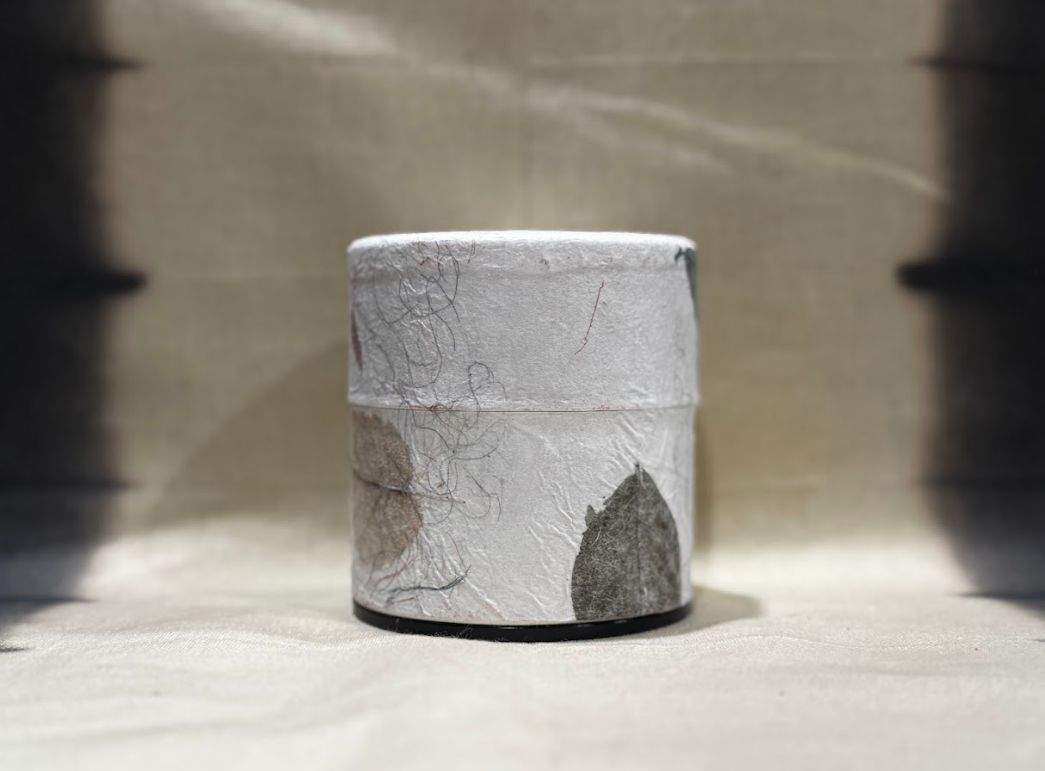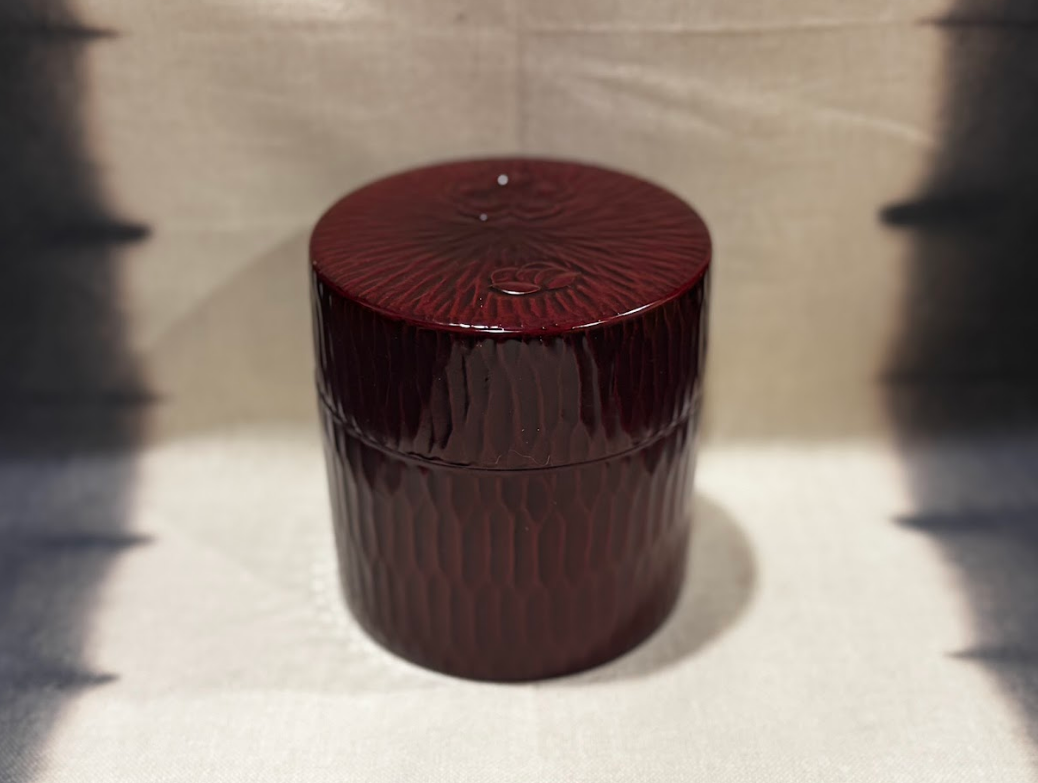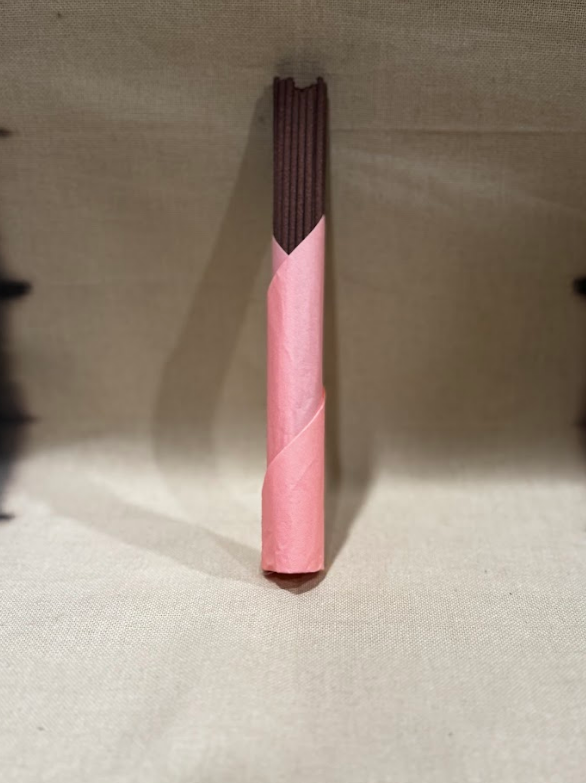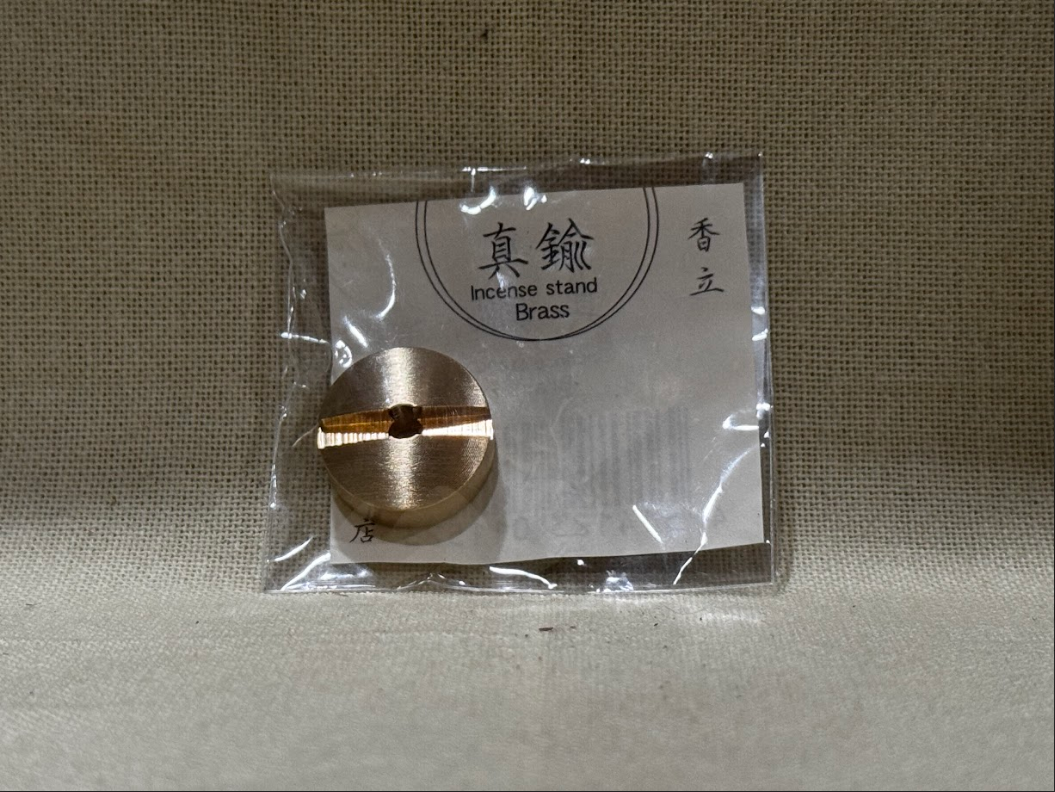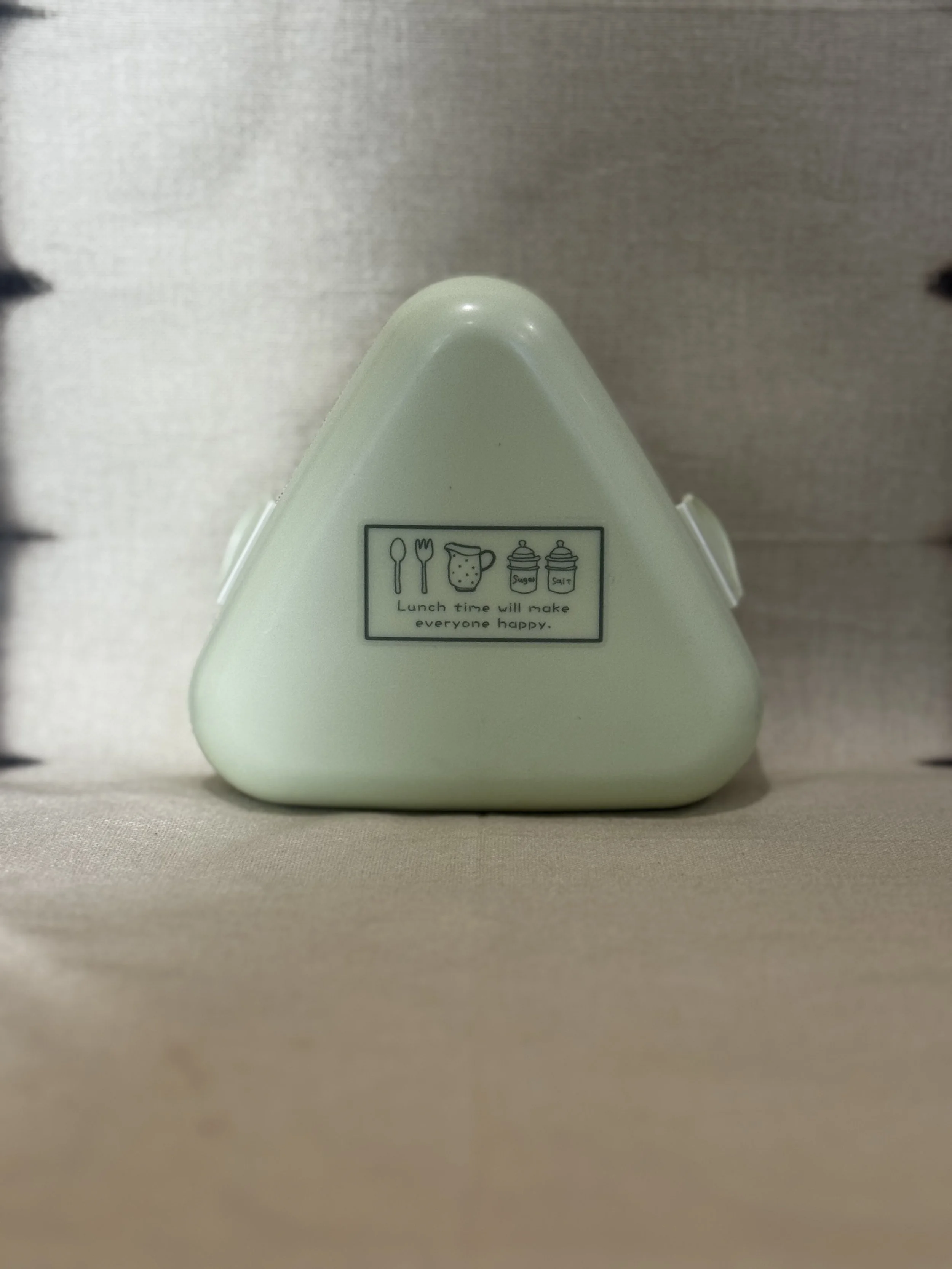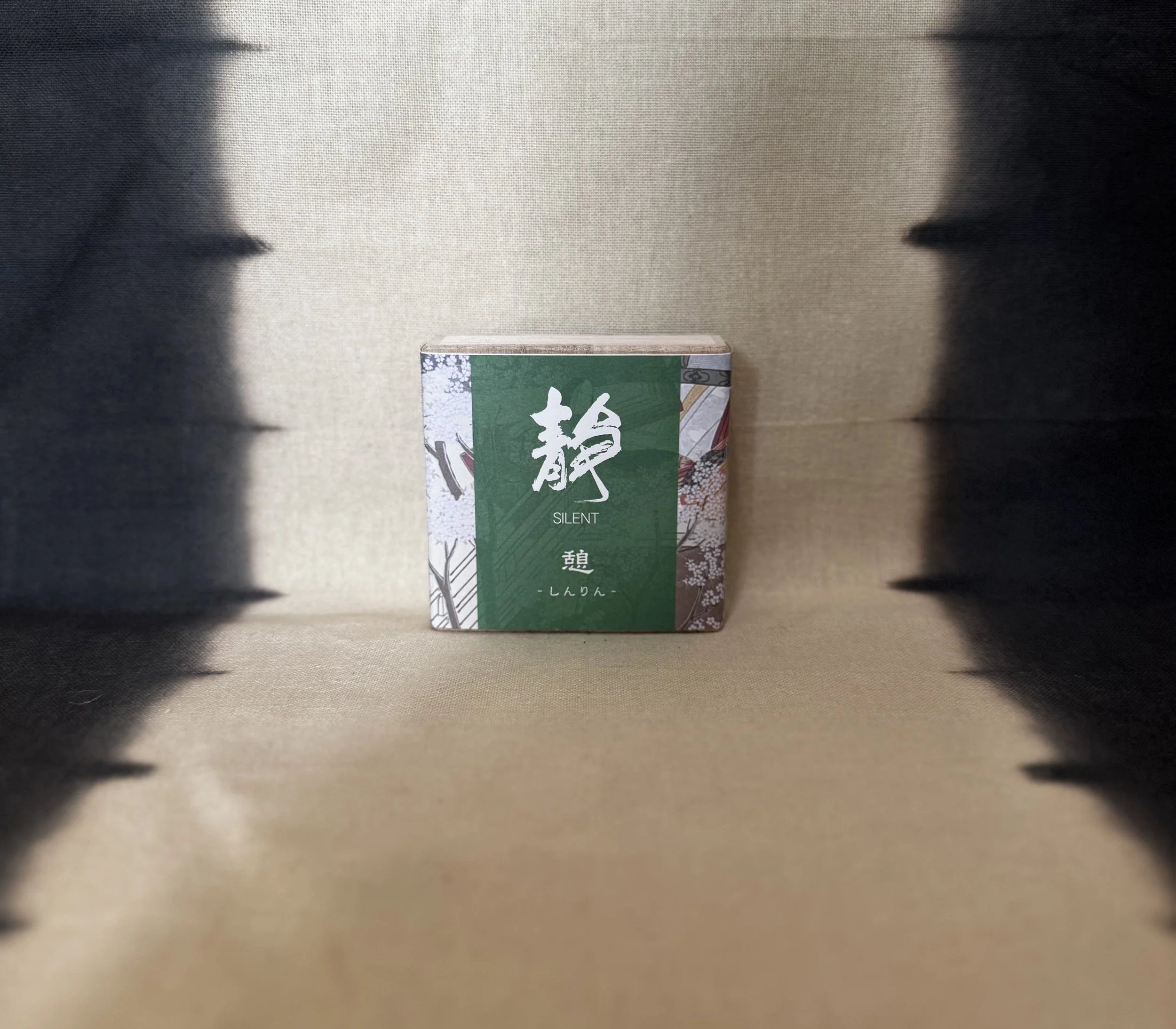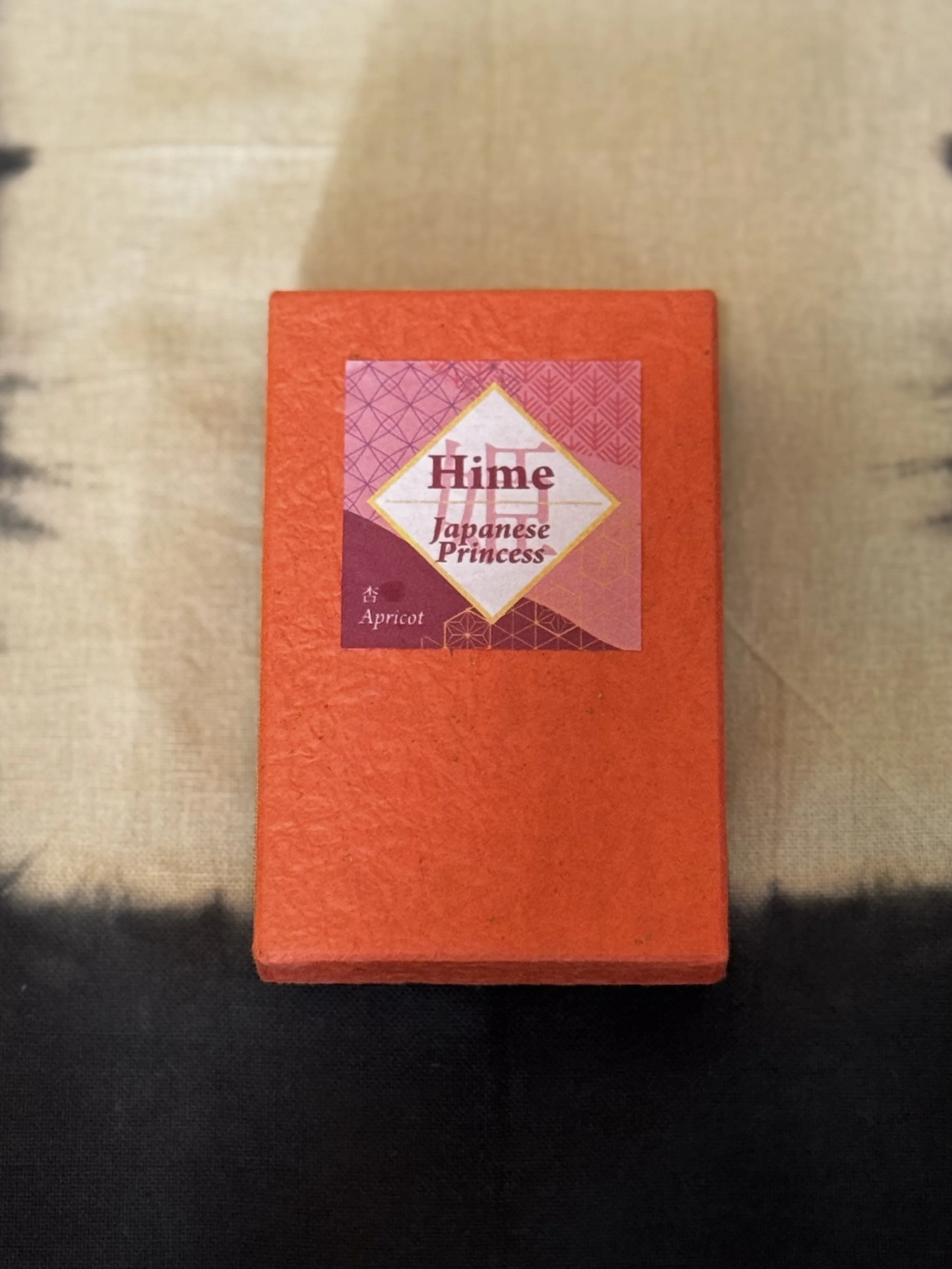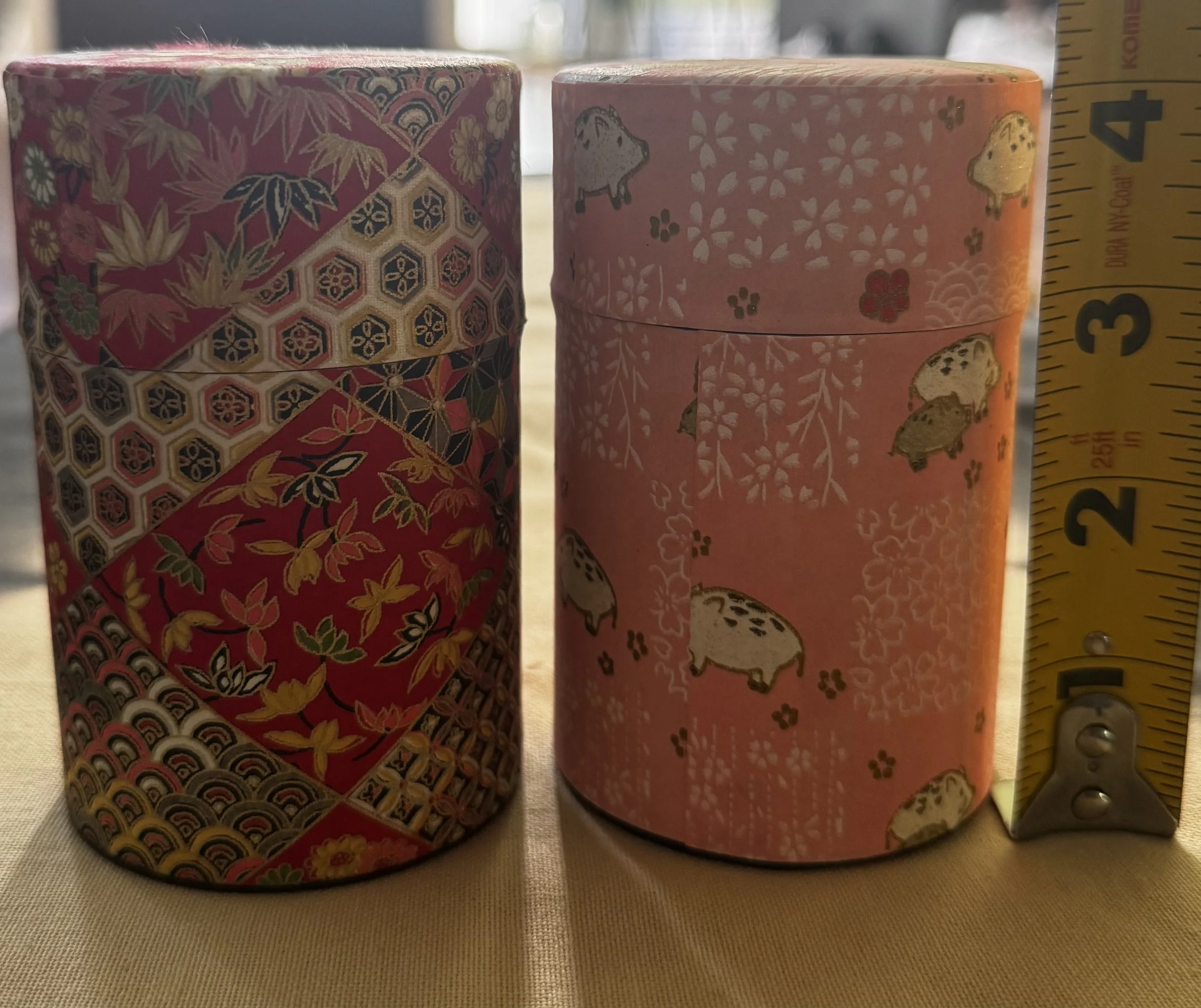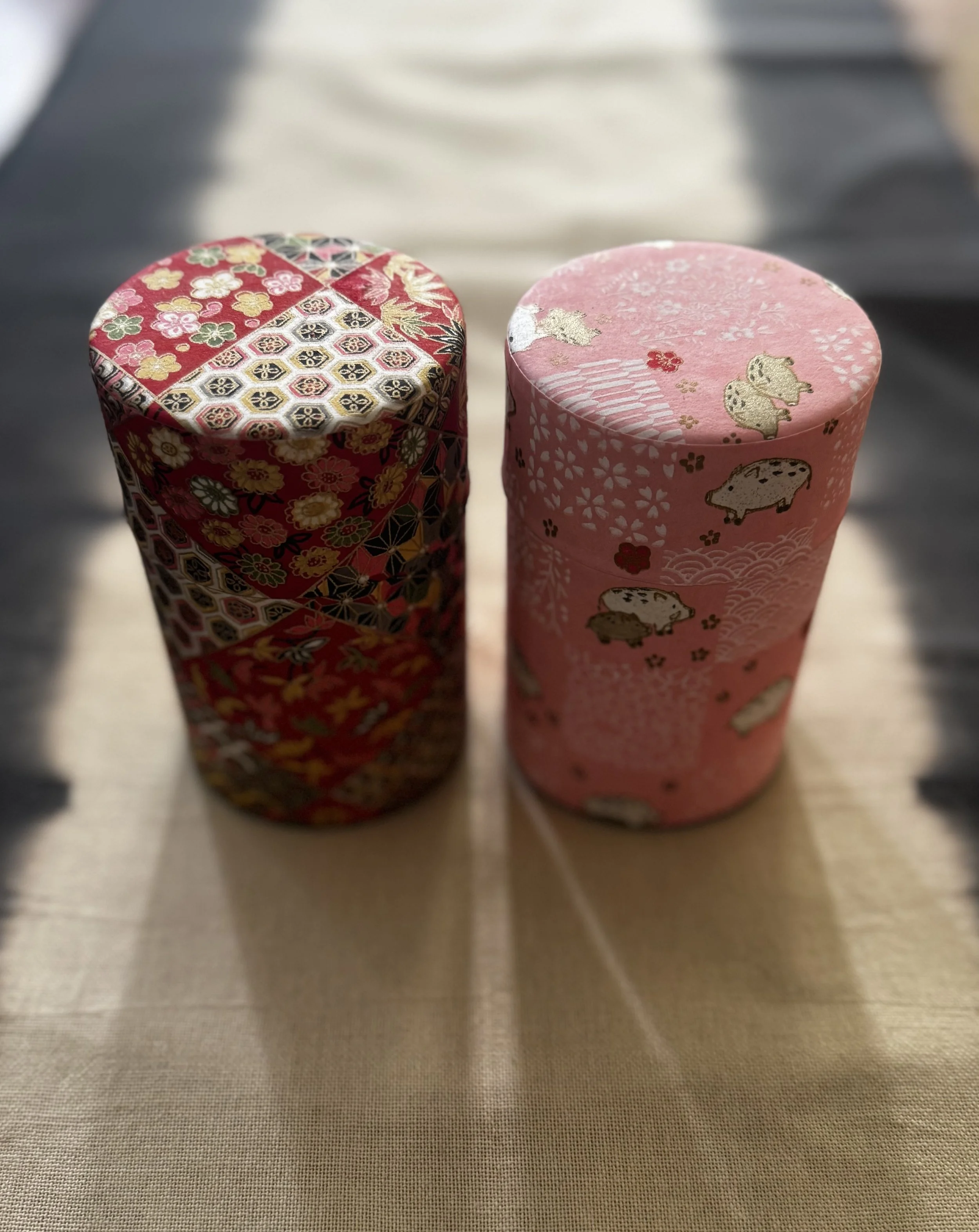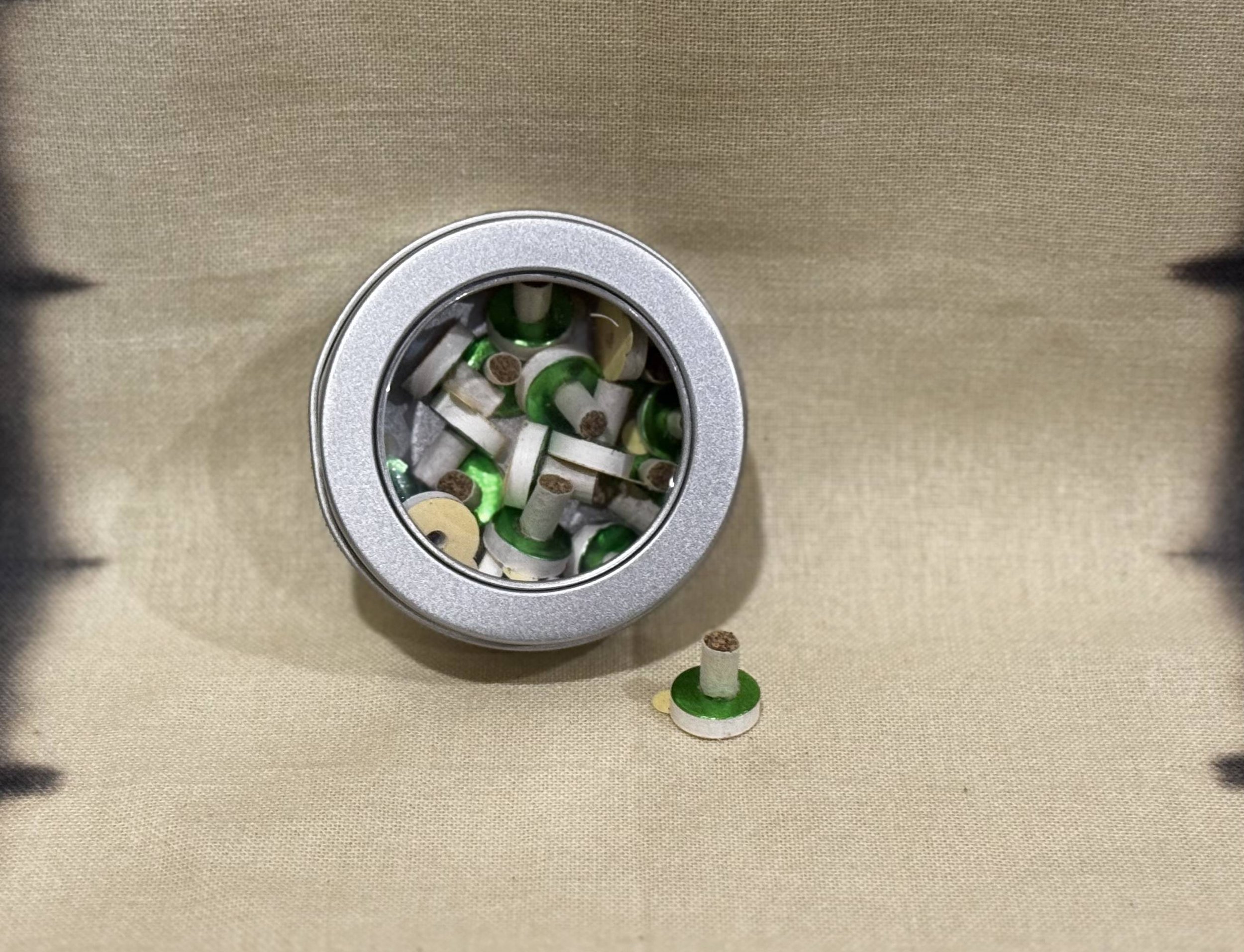
Moxibustion; 25 pcs of Sennenkyu self stick moxa, made in Japan. in a reusable tin.
Moxibustion is a form of traditional Chinese medicine. According to the American Institute of Alternative Medicine (AIAM), the purpose of moxibustion is to:
strengthen the blood
stimulate the flow of qi
maintain a person’s general health
Applying moxa heat to the treatment area will dilate blood vessels, promote blood flow, and help with muscle relaxation.
Before Starting:
Use in a well-ventilated room and open windows -especially if you have any pets in the house.
Not recommended if you have bad allergies, respiratory issues, or are odor-sensitive
Choose a room without carpet to minimize smoke absorption
During Use:
Apply over acupressure points on clean dry skin.
Although the padding is intended to not cause a burn, keep wet fingers or damp cloth nearby for safe removal.
Remove after about 3 minutes
Never leave burning moxa unattended
Do Not Apply on::
face
breasts
genitals
major tendons
major creases in the skin
areas close to large blood vessels
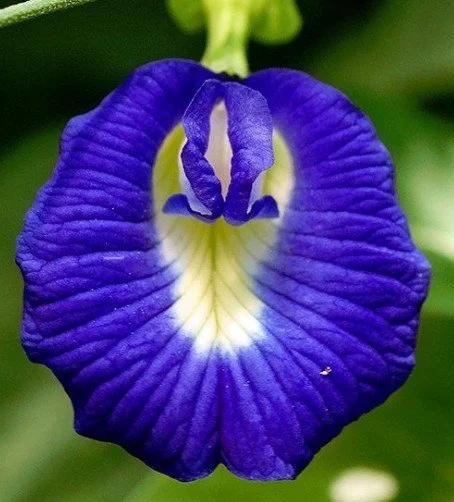
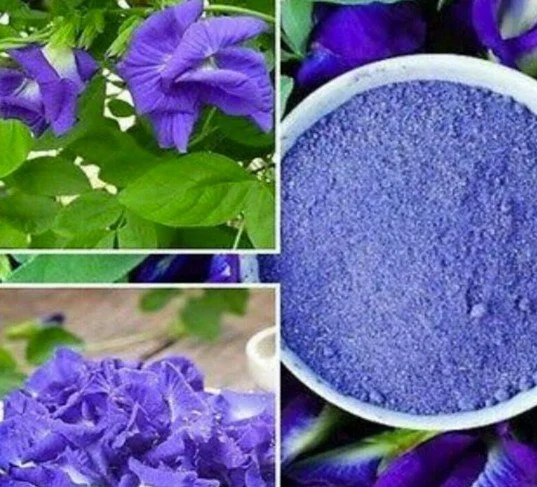
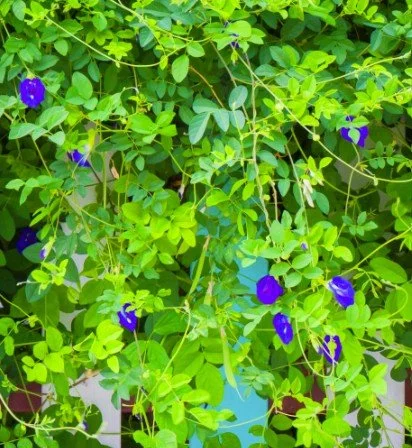
The butterfly pea plant, Clitoria ternatea, is a tropical, perennial, and climbing vine that blooms in the summer with flowers noted for producing natural dyes. Although they're mostly grown for their vivid blue, purple, and white flowers, their plants also produce long flat pods containing six to ten peas, which are edible when harvested young.
Vines grow to ten feet in length but have a twining habit that keeps plants to a tidy three feet tall. Leaves are medium green and broader at the base tapering to a point. Native to Indonesia, this is a short-lived perennial that grows in USDA zones 9 to 11. It is cultivated as an annual in northern zones or grown in pots and overwintered indoors as a biennial.
The blue flowers are edible and are a natural food coloring in Asian cuisine. They are added to beverages and are a popular ingredient in "Butterfly Pea Tea."1 Butterfly pea plant is widely grown as an ornamental and reclamation plant that fixes nitrogen in soil.
Common NameButterfly Pea Plant, Asian Pigeon Wings, Blue Pea
Botanical NameClitoria ternatea FamilyFabiaceae
Plant TypeTropical herbacious perennial SizeVines to 10 feet, plants to 3 feet tall
Sun ExposureFull sun
Soil TypeMoist, well drainedSoil pH6.0 to 8.0
Bloom TimeSummer Hardiness Zones9, 10, 11 USA
Native AreaIndonesia
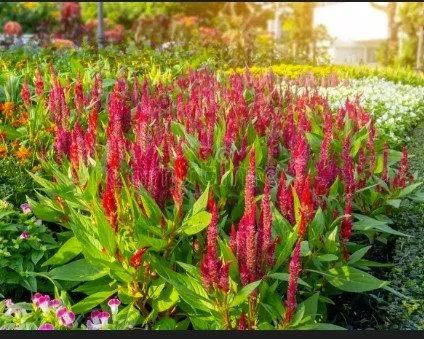
The attractive Celosia plant, a perennial planted as an annual - from the Amaranth family and Celosia genus goes by the common names of woolflowers, cockscomb flowers, and “Flamingo Feather.” This plant is native to Central and South America, India, Asia, and Nepal throughout Africa.
What makes Celosias such a unique flower? The makeup of each blossom consists of numerous tiny flowers. Each of these flowers will produce small seeds and sow seeds continually sprouting in the containers, with no need for you to do anything.
Considered easy to grow, cocks comb flowers will propagate themselves if left unattended, and they grow quite well with minimal attention. For best results, plant Celosia in full sun.
Medicinal Uses:
Anti-inflammatory: Some studies suggest that red wool flower may have anti-inflammatory effects, which can help in reducing swelling and pain.
Antioxidant: The flower contains compounds that may act as antioxidants, helping to combat oxidative stress in the body.
Traditional Medicine: In various cultures, it is used to treat ailments such as fever, cough, and digestive issues.
Active Compounds:
The flower contains flavonoids and phenolic compounds, which are believed to contribute to its health benefits.
Cautions:
Research on the medicinal properties of red wool flower is limited, and more studies are needed to fully understand its effects and safety.
Always consult with a healthcare professional before using any herbal remedies, especially if you have existing health conditions or are taking medications.
Note: Keep it in a pot at least until after the last frost.
Common NameCockscombPlant TypeAnnual, perennial
Botanical NameCelosia argentea var. cristata
Mature Size12 in. tall, 12 in. wide
Sun ExposureFull, partial
Soil TypeLoamy, moist but well-drainedSoil pHAcidic, neutral
Bloom TimeSummer, fallFlower ColorRed, pink, orange, yellow, whiteHardiness Zones9-12 (USDA)
Native AreaSouth America, Central America, Asia, Africa
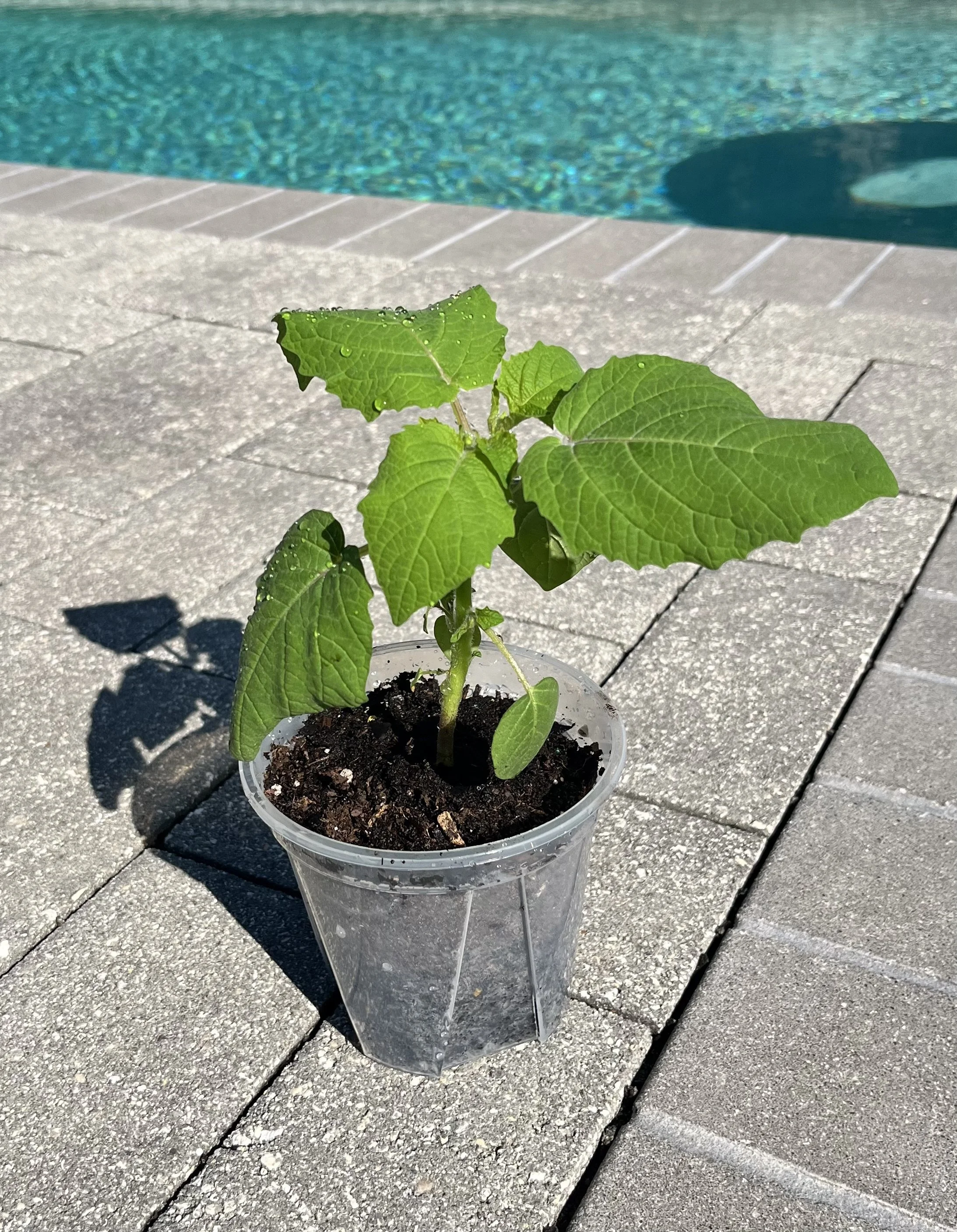
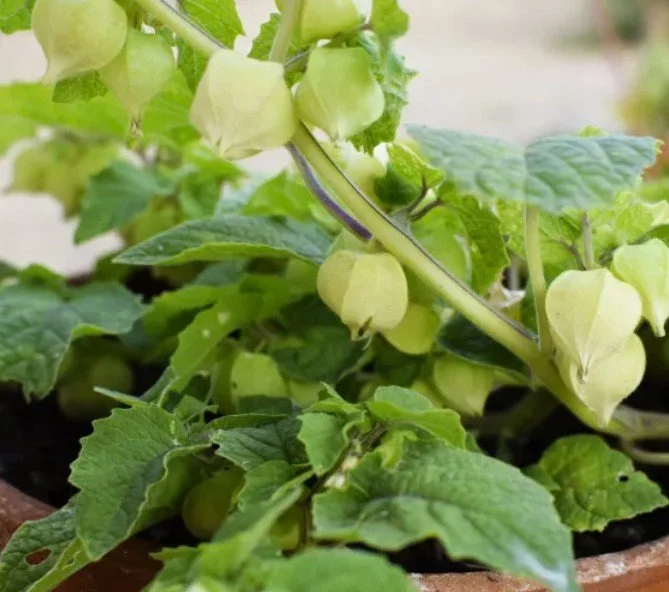
1/2" diameter berries have a delicious flavor reminiscent of pineapple. Bite-sized berries are so tasty that they may never make it into the kitchen, especially if you have children. Excellent for preserves, hot dessert toppings, salads or mock pineapple yogurt.
Plants are short (12"-18") but with bushy spreading lateral branches which choke out weeds. Fruits ripen to a pineapple yellow. Stores well in husks.
It thrives in full sun to partial shade and prefers well-drained soil.
The Cossack pineapple ground cherries will mature in about 80-100 days after sowing. You’ll know they’re ready to harvest when the husks turn a golden brown and start to papery.
Harvesting: Gently twist the fruits from the stems. The husks can be removed before eating, or you can enjoy the sweet and tangy fruit with the husk for a unique textural experience.
Common NameGround cherry, husk tomato, strawberry tomato
Botanical NamePhysalis pruinosa
FamilySolanaceae
Plant TypeAnnual, fruit, shrub
Mature Size1–3 ft. tall and wideSun
ExposureFull sun
Soil TypeLoamy, sandy, well-drainedSoil pHAcidic
Bloom TimeSummerHardiness Zones4–8 (USDA)
Native AreaCentral America
Toxicity outer wrapping Toxic to people, pets